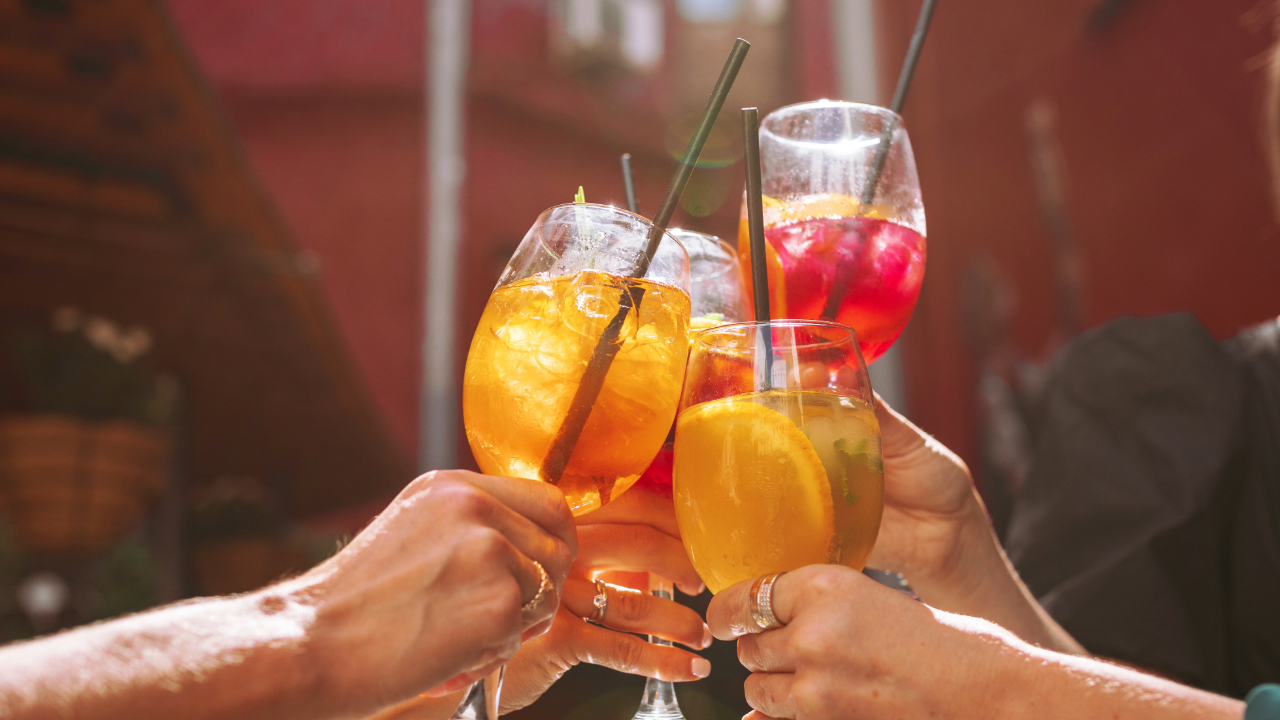
The choice of your aperitif has a ripple effect on the entire dining experience. It influences your hunger levels, your overall enjoyment, and the flavors you will detect in subsequent courses. Though often overlooked, the aperitif is a key component of any meal.
The venue is part of the experience
None of this goes well at the wrong table. The aperitif as a ritual demands a specific kind of space – good light, unhurried service, a bar team that grasps why someone would order a Vermouth Highball over the most expensive thing on the menu.
Finding a well-run cocktail bar in covent garden before your dinner reservation offers all of that. A drink made with attention, pacing done exactly right, and the ability to hear the person sitting across from you. This is the scenario where the aperitif-as-ritual works. Not a drink you had, but a transition you made.
Bitter and bubbles: the science behind the first sip
Italian aperitivo culture has been around for centuries for a reason. It’s not just tradition. The bittering agents in a Negroni or an Aperol Spritz get your gastric juices, saliva, and everything else your body uses to digest food up and running. That means you’re set and ready to eat a full meal before you’ve even taken a bite. Sweetness doesn’t do that. Cream certainly doesn’t do that either.
Carbonation is helpful for similar reasons. In the case of a Spritz or a Vermouth Highball, those bubbles serve to lift the palate instead of coating it. That means your tongue stays sensitive and doesn’t get worn out almost instantly with sugar or dairy. If you’ve ever eaten a milkshake and then wondered why your sandwich tastes dull, there’s your answer.
When looking for a good pre-meal drink, bitterness and acidity are your friends (though not in excess if we’re talking about the former). You have to look at these cocktails less as something you might be craving in the moment for the sense of taste recalibration they give you. A citrusy-edgy cocktail with a botanical base does that in a way that a Mai Tai won’t.
Keep the alcohol moderate early
Low-alcohol content drinks are not a compromise, they are part of the plan. For instance, a Spritz has an alcohol content of roughly 8-11% while a traditional Vermouth Highball contains even less alcohol. They are both so rich in flavor that you can enjoy them slowly and so social that you can chat meanwhile.
The aperitif is designed to separate the prelude (work hours, commuting, mental clutter) from the drama (the evening). It is an effective transition, and it works best if you feel a little sharper rather than a little blunt after your drink. The low-ABV sector isn’t a trend built on alcohol anxiety, it’s the uncovering of the truth that aperitivo knew all along. Spritz serves and low-ABV drinks are up 31% globally by volume according to the IWSR, so a lot of people appear to be making this discovery at once.
Match the drink to what comes next
Not every pre-dinner drink suits every meal. A dry Fino Sherry – salty, oxidative, very dry – pairs cleanly with briny appetizers or cured meats. The flavors rhyme rather than compete. A Negroni, with its bittersweet gin-vermouth structure, is strong enough to stand before a rich Mediterranean spread without disappearing.
Lighter cuisine calls for lighter aperitifs. A White Vermouth Spritz before a seafood dinner makes sense. The same drink before a plate of braised short rib might not survive the contrast. The logic is simple: the opener shouldn’t overpower what follows, but it also shouldn’t get buried by it.
Aromatic garnishes do more work than most people give them credit for. A rosemary sprig, a grapefruit twist, a few olives dropped in – these engage the olfactory senses before the first sip, which matters because smell accounts for a substantial share of how we perceive flavor overall. A thoughtful garnish isn’t decoration. It’s the beginning of the drink’s effect.
What to order if you’re not sure where to start
If you don’t have a default aperitif yet, start with one of three directions.
The Spritz is the most accessible entry point – light, effervescent, low commitment, and endlessly adaptable depending on what bitter component the bar uses. The Negroni is the more serious option, worth trying if you want to understand what botanicals and vermouth can do together. And a dry sherry highball – Fino or Manzanilla over ice with a splash of soda and citrus – is the choice that will make the bartender respect you immediately.
Avoid anything cream-based, overly sweet, or with a high sugar load before a meal. These drinks fill you up and coat the tongue in a way that works against everything the kitchen is about to put in front of you.
The aperitif isn’t the main event. But it’s the thing that determines whether the main event lands properly. Start with the right drink, and the rest of the night has a better shot at being exactly what you wanted.
