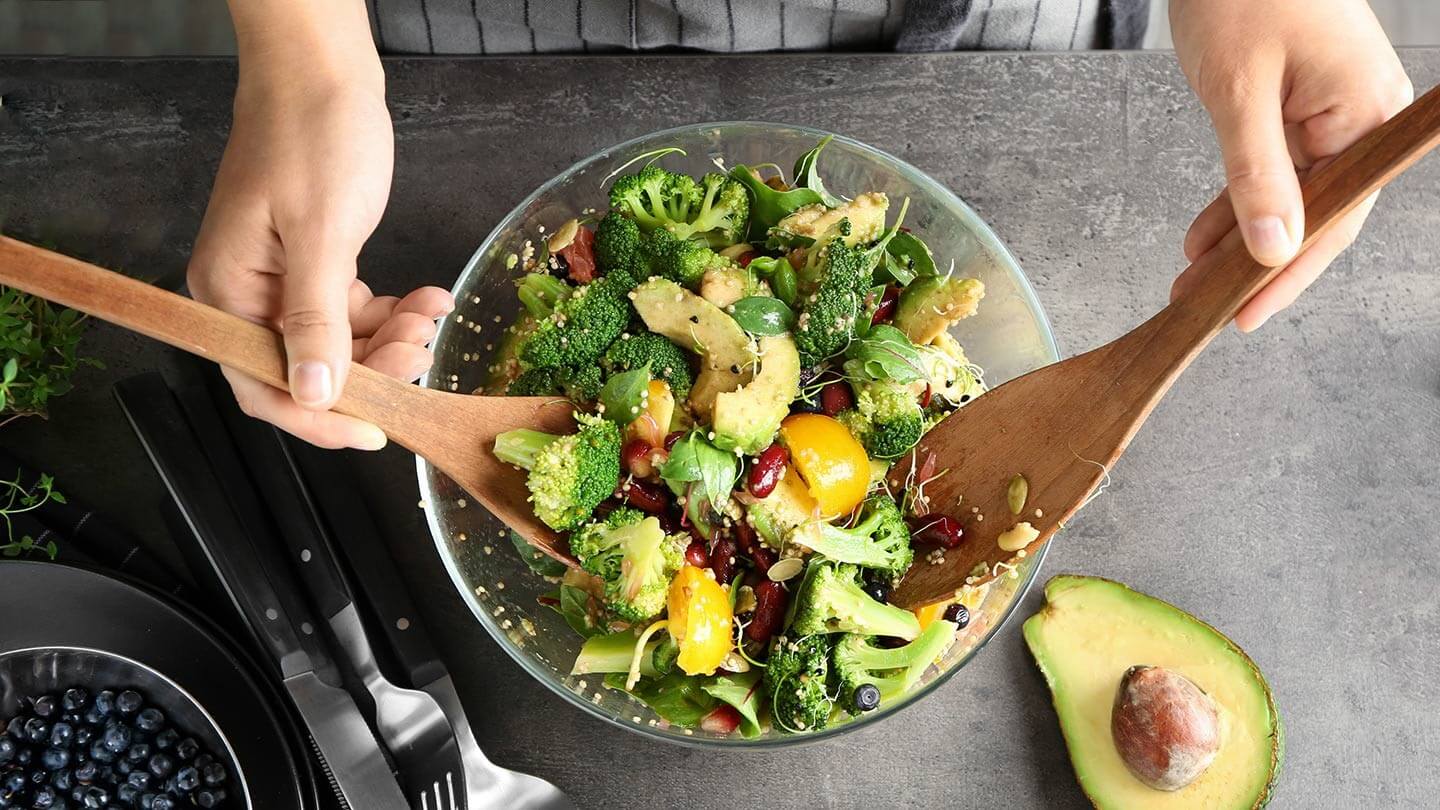
Cooking is more than just transforming raw ingredients into tasty meals. The way food is cooked can significantly influence nutrient retention, digestibility, and overall health benefits. Some methods preserve vitamins and minerals, while others can unintentionally destroy them. Understanding the best cooking techniques helps you get the most nutrition out of every bite.
Why Cooking Method Matters for Nutrition
Different nutrients react differently to heat, water, oil, and cooking time. For example, water-soluble vitamins like vitamin C and B vitamins are especially sensitive to heat and leaching, while fat-soluble vitamins like A, D, E, and K often become more absorbable when cooked with healthy fats.
Key factors that affect nutrient loss include:
- Cooking temperature
- Length of cooking time
- Amount of water used
- Exposure to oxygen and light
Choosing the right method can minimize losses while improving flavor and safety.
Steaming: One of the Healthiest Options
Steaming uses hot vapor instead of direct contact with water, which helps preserve delicate nutrients.
Why steaming works well
- Retains most water-soluble vitamins
- Maintains natural color and texture
- Requires no added fats
Best foods to steam
- Broccoli, spinach, carrots, and green beans
- Fish and shellfish
- Dumplings and whole grains like quinoa
Steaming is especially effective for vegetables that are rich in antioxidants and vitamin C.
Sautéing and Stir-Frying: Quick and Nutrient-Smart
When done correctly, sautéing can be both nutritious and flavorful.
How to do it right
- Use healthy fats such as olive oil or avocado oil
- Keep cooking time short
- Cook over medium heat instead of high heat
Nutritional advantages
- Improves absorption of fat-soluble vitamins
- Preserves texture and flavor
- Reduces nutrient loss due to shorter cooking times
This method works particularly well for leafy greens, bell peppers, and mushrooms.
Boiling: Useful but Nutrient-Risky
Boiling is convenient but can cause nutrients to leach into the water.
Pros
- Simple and widely accessible
- Softens tough foods like legumes and potatoes
Cons
- Loss of vitamin C and B vitamins
- Minerals may escape into cooking water
Tip to reduce nutrient loss
- Use minimal water
- Reuse the cooking liquid in soups or sauces
Roasting and Baking: Flavor with Balance
Roasting enhances flavor through caramelization but requires careful temperature control.
Best practices
- Roast at moderate temperatures
- Avoid overcooking
- Toss vegetables lightly in oil before cooking
Best foods for roasting
- Sweet potatoes
- Brussels sprouts
- Cauliflower
- Lean meats
While some heat-sensitive vitamins may decline, antioxidants in certain vegetables can become more concentrated.
Grilling: Nutritious with Caution
Grilling adds rich flavor but can pose risks if food is charred.
Benefits
- Drains excess fat from meats
- No need for added oils
Potential downsides
- High heat may destroy some vitamins
- Charring can create harmful compounds
Healthier grilling tips
- Marinate foods to reduce harmful byproducts
- Avoid direct flames
- Grill vegetables alongside proteins
Pressure Cooking: Fast and Nutrient-Preserving
Pressure cooking uses high pressure and short cooking times, making it surprisingly nutrient-friendly.
Why it’s effective
- Short exposure to heat
- Minimal water use
- Excellent for tough foods
Ideal foods
- Beans and lentils
- Root vegetables
- Whole grains
This method is especially helpful for busy households aiming to preserve nutrition efficiently.
Poaching: Gentle and Nutrient-Safe
Poaching cooks food slowly in liquid at low temperatures.
Advantages
- Preserves protein structure
- Prevents nutrient breakdown
- No added fats
Commonly poached foods
- Eggs
- Fish
- Chicken breast
- Fruit like pears
It’s one of the best methods for delicate foods that benefit from gentle heat.
Raw vs Cooked: Finding the Right Balance
Some foods are more nutritious raw, while others benefit from cooking.
Better raw
- Bell peppers
- Onions
- Berries
Better cooked
- Tomatoes (higher lycopene availability)
- Carrots (enhanced beta-carotene)
- Spinach (reduced oxalates)
A mix of raw and cooked foods offers the most balanced nutrient intake.
Final Thoughts
No single cooking method is perfect for every food. The key is variety and mindful preparation. By choosing cooking techniques that align with the food’s nutrient profile, you can enjoy meals that are both delicious and deeply nourishing.
Frequently Asked Questions
1. Which cooking method preserves the most nutrients overall?
Steaming and pressure cooking generally preserve the highest levels of vitamins and minerals due to minimal water use and shorter cooking times.
2. Is frying always unhealthy?
Deep frying can reduce nutritional value, but light sautéing with healthy oils can actually improve nutrient absorption.
3. Does cooking destroy all vitamins?
No. While some vitamins are heat-sensitive, others become more bioavailable after cooking.
4. Are raw vegetables always healthier than cooked ones?
Not always. Some vegetables release more antioxidants and become easier to digest when cooked.
5. How can I reduce nutrient loss when boiling food?
Use less water, shorten cooking time, and reuse the cooking liquid whenever possible.
6. What oils are best for nutrient-rich cooking?
Olive oil, avocado oil, and coconut oil are stable at moderate heat and support nutrient absorption.
7. Can overcooking reduce protein quality?
Yes. Excessive heat can denature proteins and reduce digestibility, especially in meats and eggs.
