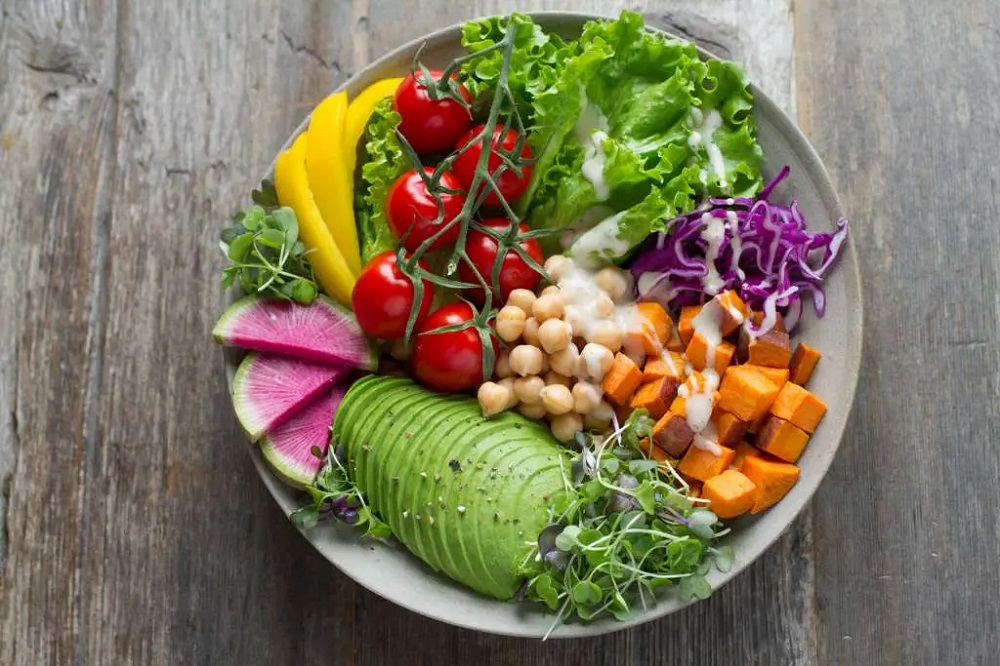
Plant-based eating isn’t about restriction—it’s about variety, balance, and flavor. With the right combinations of vegetables, whole grains, legumes, nuts, and seeds, you can build meals that are satisfying, nutrient-dense, and practical for everyday life. This guide focuses on simple plant-based recipes that support balanced nutrition without complicated techniques or hard-to-find ingredients.
Why Choose Plant-Based Meals for Daily Eating
Plant-based meals naturally emphasize fiber, complex carbohydrates, and healthy fats, which support sustained energy and digestion. When planned well, they also provide adequate protein and micronutrients.
Key benefits include:
- Improved nutrient diversity from whole foods
- Easier digestion and gut health support
- Flexible meal prep for busy schedules
- Lower reliance on ultra-processed ingredients
Components of a Balanced Plant-Based Meal
A nutritionally balanced plant-based plate typically includes:
- Protein: lentils, chickpeas, tofu, tempeh, beans
- Complex carbohydrates: brown rice, quinoa, oats, sweet potatoes
- Healthy fats: avocado, olive oil, nuts, seeds
- Vegetables: leafy greens, cruciferous veggies, colorful produce
Balancing these elements ensures satiety and steady blood sugar levels.
Easy Plant-Based Recipes for Everyday Meals
Breakfast: Protein-Rich Oatmeal Bowl
Why it works: combines slow-digesting carbs with plant protein and healthy fats.
Ingredients:
- Rolled oats cooked in soy or almond milk
- Chia seeds or ground flaxseed
- Peanut or almond butter
- Fresh berries or sliced banana
Tip: Add a spoon of plant-based protein powder if you need extra protein in the morning.
Lunch: Chickpea & Quinoa Power Salad
Why it works: high in fiber, complete protein, and micronutrients.
Ingredients:
- Cooked quinoa
- Roasted or canned chickpeas
- Cucumber, cherry tomatoes, red onion
- Olive oil, lemon juice, salt, pepper
Optional add-ons:
- Tahini dressing
- Avocado slices
- Fresh herbs like parsley or cilantro
Dinner: Lentil & Vegetable Stir-Fry
Why it works: quick, customizable, and filling.
Ingredients:
- Cooked green or brown lentils
- Bell peppers, broccoli, carrots
- Garlic and ginger
- Low-sodium soy sauce or tamari
Serve over brown rice or millet for a complete meal.
Quick Snacks That Support Balance
Snacks can reinforce nutrition instead of just filling gaps.
Simple options include:
- Apple slices with almond butter
- Roasted edamame
- Hummus with raw vegetables
- Trail mix with nuts and seeds
Weekly Meal Planning Tips for Plant-Based Eating
- Batch-cook grains and legumes once or twice a week
- Keep frozen vegetables for quick meals
- Rotate protein sources to avoid monotony
- Season generously with herbs and spices for flavor
Consistency matters more than perfection.
Common Nutrients to Pay Attention To
While plant-based diets are nutrient-rich, it’s smart to be mindful of:
- Protein: eat a variety of legumes and grains
- Iron: pair lentils or spinach with vitamin C-rich foods
- Omega-3 fats: include flaxseeds, chia seeds, or walnuts
- Vitamin B12: consider fortified foods or supplements
FAQs About Plant-Based Balanced Meals
1. Can plant-based meals provide enough protein daily?
Yes, combining legumes, whole grains, nuts, and seeds can easily meet daily protein needs.
2. Are plant-based meals suitable for weight management?
Balanced plant-based meals are naturally high in fiber and can support healthy weight goals when portioned appropriately.
3. How can beginners transition to plant-based eating?
Start by replacing one meal per day with a plant-based option and gradually expand variety.
4. Do plant-based meals take longer to prepare?
Not necessarily—many recipes rely on simple ingredients and batch cooking to save time.
5. What’s the easiest plant-based meal for busy days?
Grain bowls with beans, vegetables, and a simple dressing are quick, flexible, and filling.
6. Is it expensive to eat plant-based regularly?
Staples like beans, rice, oats, and seasonal vegetables are often more affordable than animal-based foods.
7. Can children eat balanced plant-based meals?
Yes, with proper planning and nutrient awareness, plant-based meals can support all age groups.
