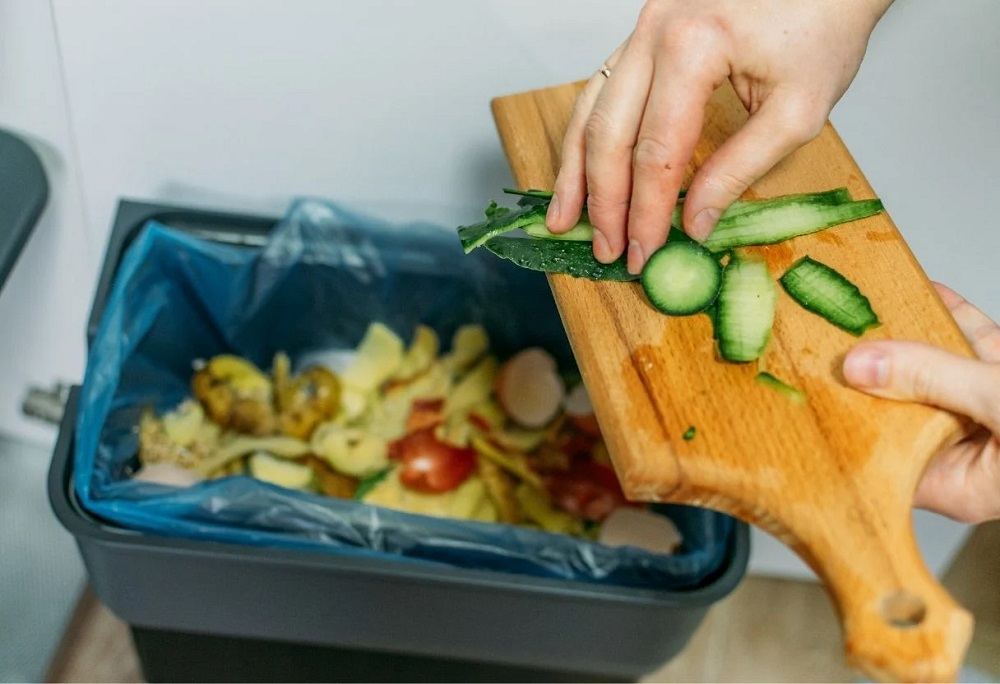
Food waste is one of the biggest hidden costs in the restaurant industry. It quietly eats into profits, strains staff efficiency, and contributes to serious environmental problems. The good news is that reducing food waste doesn’t require radical changes—just smarter systems, better planning, and a culture of awareness.
Below are practical, proven ways restaurants can cut food waste while improving margins and sustainability.
Understand Where Food Waste Comes From
Before fixing the problem, restaurants need to know why waste happens. Food waste generally falls into three categories:
- Prep waste: Trimmings, peels, and over-preparation
- Spoilage waste: Ingredients expiring before use
- Plate waste: Food left uneaten by customers
Tracking waste daily—even for one or two weeks—helps identify patterns and problem areas that often go unnoticed.
Improve Inventory Management
Poor inventory control is one of the biggest drivers of waste in restaurants.
Use the FIFO Method
First In, First Out (FIFO) ensures older ingredients are used before newer ones. Clear labeling with delivery dates makes this easy for staff to follow.
Order Smarter, Not Bigger
Avoid bulk ordering unless demand truly supports it. Smaller, more frequent orders often reduce spoilage and free up storage space.
Conduct Regular Stock Checks
Weekly or bi-weekly audits help spot slow-moving ingredients early, giving chefs time to adjust menus or specials.
Design a Waste-Conscious Menu
Menus play a powerful role in controlling food waste.
- Build dishes that share common ingredients
- Remove low-selling items that require unique stock
- Design flexible recipes that can adapt to seasonal availability
A smaller, focused menu is easier to manage and often improves food quality and consistency.
Optimize Food Preparation Practices
Small changes in the kitchen can lead to big waste reductions.
Standardize Recipes
Consistent portion sizes prevent overuse of ingredients and keep costs predictable.
Train Staff on Knife Skills
Better cutting techniques reduce unnecessary trimming and maximize usable portions of produce and meat.
Prep in Batches Based on Demand
Avoid prepping everything at once. Stagger preparation based on historical sales data and daily traffic patterns.
Reduce Plate Waste Through Portion Control
Oversized portions may look generous, but they often come back to the kitchen untouched.
- Offer multiple portion sizes
- Use smaller plates to naturally control serving amounts
- Encourage servers to suggest portion options based on appetite
Listening to customer feedback helps fine-tune portions without hurting satisfaction.
Repurpose and Reimagine Leftover Ingredients
Creativity is a powerful anti-waste tool.
- Vegetable scraps can become stocks or sauces
- Day-old bread works well for croutons or breadcrumbs
- Overripe produce is ideal for soups, smoothies, or desserts
Daily specials are an excellent way to use ingredients that are nearing their shelf life.
Embrace Technology for Waste Tracking
Digital tools make it easier to see where food is being lost.
Modern waste tracking systems can:
- Log discarded food by category
- Identify high-waste menu items
- Generate actionable reports for management
Even simple spreadsheets can deliver insights if used consistently.
Donate or Compost Responsibly
Not all surplus food needs to end up in the trash.
- Partner with local food donation programs for safe, unused items
- Compost organic waste to reduce landfill impact
- Explore recycling options for oil, packaging, and cardboard
These steps not only reduce waste but also strengthen community relationships.
Build a Culture of Waste Awareness
Lasting change happens when everyone is involved.
- Train staff on the financial and environmental impact of waste
- Set waste-reduction goals and celebrate progress
- Encourage employees to suggest improvements from their daily experience
When teams feel responsible, waste reduction becomes second nature.
FAQ: Reducing Food Waste in Restaurants
1. Why is food waste such a big issue for restaurants?
Food waste directly affects profitability, increases disposal costs, and harms the environment by contributing to greenhouse gas emissions.
2. How can small restaurants reduce food waste with limited resources?
Simple steps like better inventory tracking, portion control, and menu simplification can make a significant difference without extra investment.
3. Does reducing food waste affect food quality?
No. In fact, it often improves quality by ensuring fresher ingredients and more consistent preparation.
4. What role do employees play in food waste reduction?
Staff are critical. Proper training, accountability, and involvement help identify waste early and prevent it from recurring.
5. Are customers supportive of waste-reduction efforts?
Most customers appreciate sustainability efforts, especially when they don’t affect taste or value—and many actively support them.
6. How often should restaurants review their waste data?
At a minimum, monthly reviews are recommended, but weekly reviews provide faster insights and better control.
7. Can food waste reduction really improve profits?
Yes. Many restaurants see measurable cost savings within months by lowering food purchases and disposal expenses.
