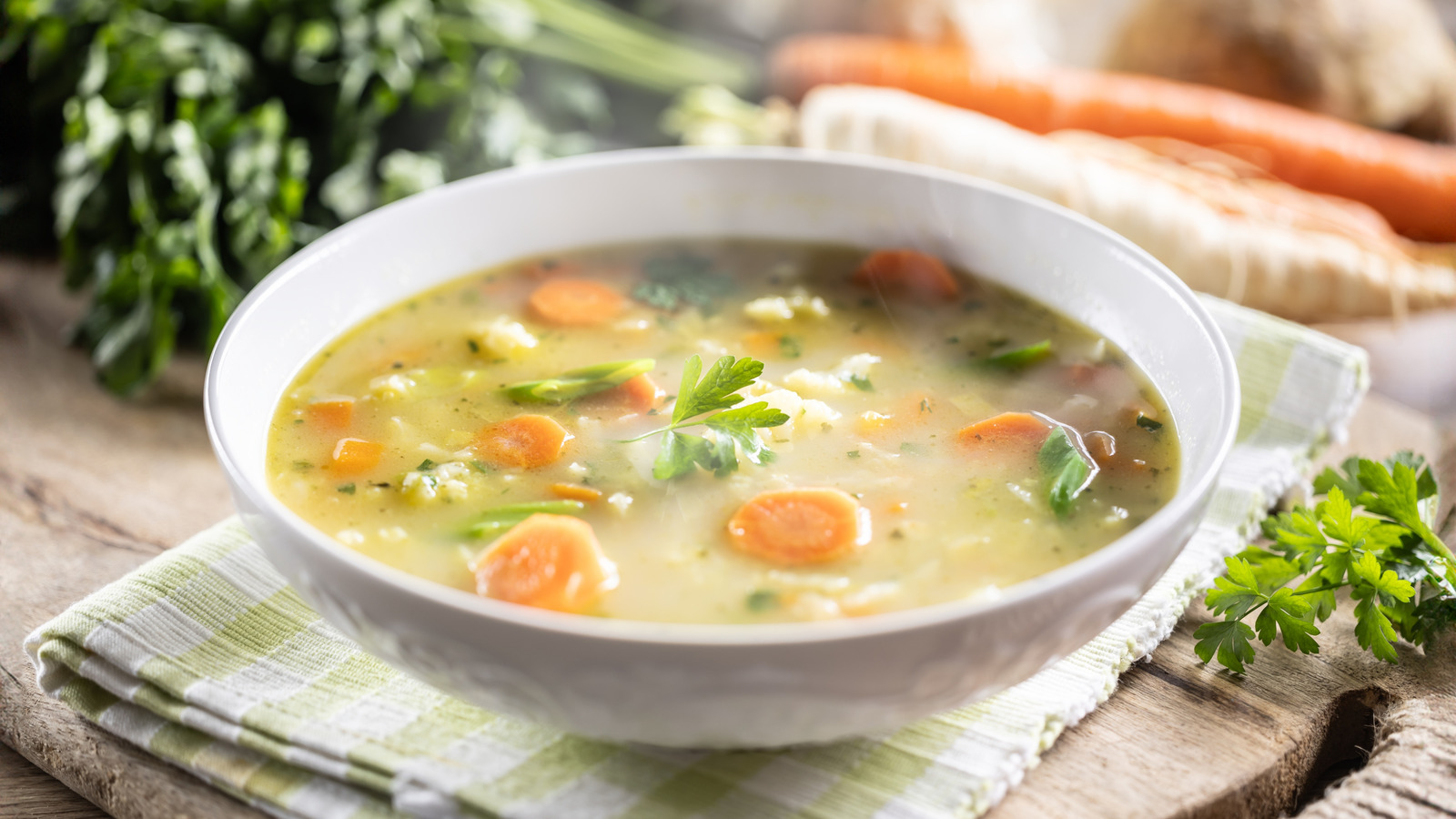
Soup looks simple on the surface—water, ingredients, heat—but small missteps can turn a comforting bowl into something bland, muddy, or unbalanced. Whether you’re making a quick weeknight soup or a slow-simmered classic, understanding common mistakes can dramatically improve the final result. Below are the most frequent soup-making errors and practical fixes that actually work.
Using Too Much or Too Little Liquid
One of the most common soup problems is incorrect liquid-to-ingredient ratio.
Why it happens
- Guessing instead of measuring
- Adding liquid early without accounting for ingredients releasing moisture
- Over-diluting to “fix” thickness
How to fix it
- Start with less liquid than you think you need
- Add more gradually as the soup cooks
- If the soup is too thin, simmer uncovered to reduce it naturally
Not Building Flavor from the Start
Dumping everything into water and hoping for the best is a recipe for bland soup.
Why it happens
- Skipping aromatics
- Not browning ingredients
- Relying only on salt at the end
How to fix it
- Begin with sautéed aromatics like onions, garlic, celery, or leeks
- Brown meats or vegetables before adding liquid
- Layer seasoning at different stages of cooking
Overcooking Vegetables
Mushy vegetables ruin both texture and flavor.
Why it happens
- Adding all vegetables at the same time
- Cooking on high heat for too long
How to fix it
- Add vegetables based on cooking time
- Root vegetables first
- Soft vegetables later
- Simmer gently instead of boiling aggressively
Underseasoning or Overseasoning
Soup needs balance, not just salt.
Why it happens
- Tasting only at the end
- Forgetting that flavors change as soup reduces
How to fix it
- Season lightly at the beginning and adjust gradually
- Taste multiple times during cooking
- Balance salt with acid (lemon juice or vinegar) if flavors feel flat
Skipping Acidity
Many soups taste dull because they lack brightness.
Why it happens
- Fear of sour flavors
- Forgetting finishing touches
How to fix it
- Add a small amount of acid at the end:
- Lemon juice
- Vinegar
- Tomatoes
- This enhances flavor without making soup taste sour
Boiling Instead of Simmering
High heat breaks down ingredients and clouds broths.
Why it happens
- Rushing the process
- Not adjusting heat after boiling
How to fix it
- Bring soup to a boil, then reduce to a gentle simmer
- Keep bubbles slow and steady, not rolling
Not Skimming Foam or Fat
Unwanted foam and excess fat affect clarity and taste.
Why it happens
- Ignoring surface buildup
- Cooking meat-based soups without skimming
How to fix it
- Skim foam during early cooking
- Remove excess fat with a spoon or chill and lift it off later
Forgetting Texture Balance
A soup that’s all soft or all chunky can feel boring.
Why it happens
- No contrast in ingredients
- Over-blending
How to fix it
- Blend only part of the soup for body
- Add toppings like:
- Fresh herbs
- Croutons
- Cream or yogurt swirl
FAQ: Common Soup Questions Answered
Why does my soup taste bland even with salt?
Salt enhances flavor, but acidity, aromatics, and fat are equally important for depth.
How do I fix soup that’s too salty?
Add unsalted liquid, potatoes, or a splash of cream to dilute and rebalance.
Can I overcook soup?
Yes. Overcooking can dull flavors and destroy texture, especially vegetables and herbs.
Why is my broth cloudy?
Cloudiness usually comes from boiling instead of simmering or not skimming impurities.
When should I add herbs to soup?
-
Hardy herbs early (thyme, bay leaf)
-
Fresh herbs at the end for brightness
Is it better to cover soup while cooking?
Cover partially. This allows controlled evaporation without losing too much liquid.
How long should soup rest before serving?
Letting soup rest 10–20 minutes allows flavors to settle and improves taste.
