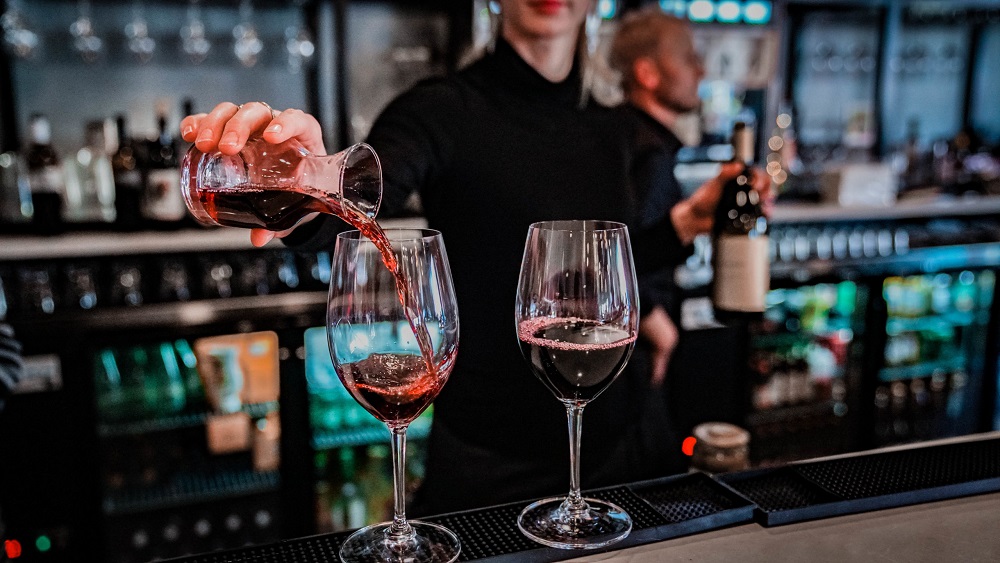
Bars and wine culture have evolved far beyond simple drinks and dimly lit rooms. Today, they represent craft, experience, and social connection. Whether you prefer a bold red, a crisp white, or a carefully mixed cocktail, understanding bar and wine culture helps you drink smarter and enjoy more.
This guide explores how bars and wine intersect, what makes a quality experience, and how to choose the right drink for any occasion.
Understanding the Modern Bar Scene
A bar is no longer just a place to order alcohol. It’s an environment shaped by ambience, expertise, and intention.
Types of Bars You’ll Commonly Find
- Wine Bars – Focused on curated wine lists, tasting flights, and food pairings
- Cocktail Bars – Known for mixology, seasonal ingredients, and signature drinks
- Hotel Bars – Blend classic drinks with upscale atmosphere
- Neighborhood Bars – Casual spaces centered on community and comfort
Each type caters to a different mood, from quiet conversation to lively social nights.
Wine Basics Every Bar-Goer Should Know
Wine can feel intimidating, but a few fundamentals go a long way.
Main Wine Categories
- Red Wine – Bold flavors, often served slightly below room temperature
- White Wine – Crisp and refreshing, best served chilled
- Rosé – Balanced and versatile, popular year-round
- Sparkling Wine – Effervescent, celebratory, and food-friendly
Understanding these categories helps you order with confidence, even when faced with a long wine list.
How Wine Bars Curate Their Selections
Quality wine bars don’t just stock bottles—they tell a story through them.
What Goes Into a Strong Wine List
- Regional diversity to showcase different climates and traditions
- Balance of price points for casual and premium drinkers
- Seasonal rotation to keep offerings fresh
- Food compatibility with cheeses, charcuterie, and small plates
A thoughtful wine list reflects both the bar’s identity and the preferences of its guests.
The Role of Bartenders and Sommeliers
Behind every great drink is a skilled professional.
- Bartenders focus on balance, technique, and presentation
- Sommeliers specialize in wine knowledge, pairing, and service
Their expertise enhances your experience, so asking questions is encouraged, not frowned upon.
Pairing Wine With Bar Food
Good pairing doesn’t require complex rules—just smart matching.
Simple Pairing Principles
- Light wines pair well with seafood and salads
- Bold reds complement grilled meats and rich dishes
- Sparkling wines work surprisingly well with fried foods
- Sweet wines balance salty or spicy snacks
These combinations elevate both the food and the drink without overwhelming either.
Wine vs. Cocktails: Choosing What Fits the Moment
Both have their place, and the right choice depends on context.
- Choose wine for relaxed sipping and conversation
- Choose cocktails when you want creativity and bold flavor profiles
Many modern bars excel at offering both, allowing guests to switch depending on mood.
Responsible Enjoyment in Bar Culture
Enjoyment is best when it’s mindful.
- Drink slowly and hydrate between rounds
- Eat before or during drinking
- Know your limits and respect them
Responsible choices ensure that bar and wine experiences remain enjoyable and social.
FAQs About Bar & Wine Culture
1. What makes a wine bar different from a regular bar?
A wine bar emphasizes curated wine selections, knowledgeable staff, and food pairings rather than high-volume alcohol service.
2. Is it acceptable to ask for wine recommendations at a bar?
Yes. Staff are trained to help guests find wines that match their taste and budget.
3. Do expensive wines always taste better?
Not necessarily. Taste is subjective, and many affordable wines offer excellent quality.
4. How should wine be stored behind a bar?
Wine should be kept at stable temperatures, away from direct light, and properly sealed to preserve flavor.
5. Can beginners enjoy wine bars without feeling intimidated?
Absolutely. Wine bars are increasingly welcoming and designed for exploration, not expertise.
6. What’s the best wine for someone new to drinking wine?
Light-bodied whites, rosés, or smooth reds are often approachable for beginners.
7. Are wine tastings worth trying at bars?
Yes. Tastings allow you to sample multiple styles and discover preferences without committing to a full glass.
