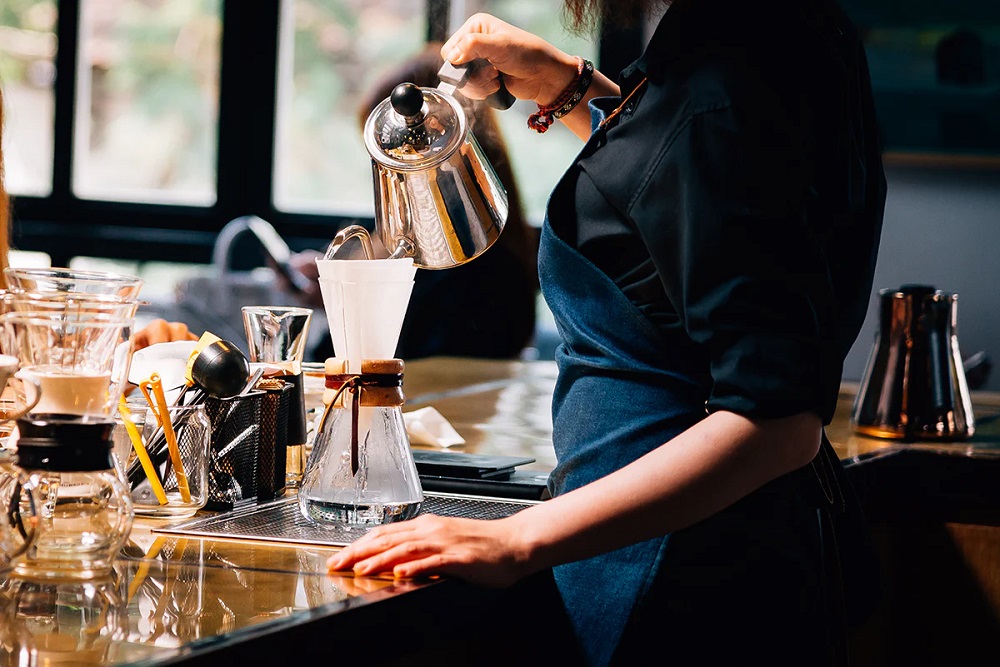
A cafe is no longer just a stop for caffeine—it’s a social hub, a creative corner, and often a second home. From quiet neighborhood coffee spots to bustling urban hangouts, cafes play a meaningful role in daily life, culture, and even productivity.
What Defines a Cafe?
At its core, a cafe is a space that serves coffee, beverages, and light food, but its identity goes far beyond the menu. A true cafe blends atmosphere, service, and community.
Key elements that define a cafe include:
- Freshly brewed coffee or specialty drinks
- Comfortable seating and welcoming ambiance
- A relaxed pace compared to fast-food outlets
- Opportunities for conversation, work, or solitude
Many cafes develop a personality of their own, shaped by music, decor, staff, and regular customers.
The Cultural Importance of Cafes
Cafes have historically been places of conversation and connection. Writers, artists, students, and entrepreneurs have long used cafes as informal meeting rooms and creative spaces.
Across cultures, cafes serve different roles:
- In cities, they act as social meeting points
- In small towns, they become community anchors
- For individuals, they often double as personal retreats
This blend of public and private makes cafes uniquely powerful spaces.
Popular Types of Cafes
Not all cafes are the same. Each type caters to a different audience and lifestyle.
Neighborhood Cafes
- Cozy and familiar
- Regular customers and friendly staff
- Focus on comfort and consistency
Specialty Coffee Cafes
- Emphasis on high-quality beans and brewing methods
- Often feature pour-over, cold brew, or single-origin coffee
- Appeal to coffee enthusiasts
Work-Friendly Cafes
- Strong Wi-Fi and ample power outlets
- Quiet zones or shared tables
- Popular with freelancers and remote workers
Themed or Concept Cafes
- Unique decor or ideas (books, pets, art, gaming)
- Designed for experience as much as consumption
- Highly shareable and memorable
Cafe Menus: Beyond Coffee
Modern cafes offer far more than espresso and cappuccino. Menus are often curated to complement the relaxed vibe.
Common menu items include:
- Tea, matcha, and herbal drinks
- Pastries, croissants, and muffins
- Sandwiches and light meals
- Plant-based or gluten-free options
Many cafes now focus on local sourcing and seasonal ingredients, adding authenticity and freshness.
Why People Love Cafes
The appeal of cafes lies in the balance they offer—social yet personal, lively yet calm.
People visit cafes to:
- Take a break from routine
- Meet friends or clients
- Read, write, or study
- Enjoy a moment of calm in a busy day
A good cafe doesn’t rush you. It invites you to stay.
The Future of Cafes
Cafes continue to evolve with changing lifestyles. Sustainability, ethical sourcing, and technology are shaping the next generation of coffee spaces.
Emerging trends include:
- Eco-friendly packaging and waste reduction
- Digital ordering and contactless payment
- Multi-purpose spaces for events or workshops
Despite these changes, the heart of a cafe remains the same: connection, comfort, and quality.
Frequently Asked Questions (FAQ)
What is the difference between a cafe and a coffee shop?
A cafe typically offers seating and a relaxed environment for lingering, while a coffee shop may focus more on quick service and takeout.
Are cafes suitable for working or studying?
Yes, many cafes are designed for productivity, offering Wi-Fi, power outlets, and a calm atmosphere.
Do cafes usually serve full meals?
Most cafes serve light meals and snacks rather than full-course meals, though some expand into brunch or lunch menus.
Why are cafes popular meeting places?
Cafes provide a neutral, comfortable space that encourages conversation without pressure or formality.
How do cafes create a unique atmosphere?
Atmosphere is shaped by interior design, lighting, music, menu choices, and the overall attitude of the staff.
Are cafes profitable businesses?
Cafes can be profitable when they manage quality, location, customer experience, and operating costs effectively.
What makes a cafe memorable to customers?
Consistency, friendly service, good coffee, and a welcoming environment are the main factors that keep people coming back.
