4
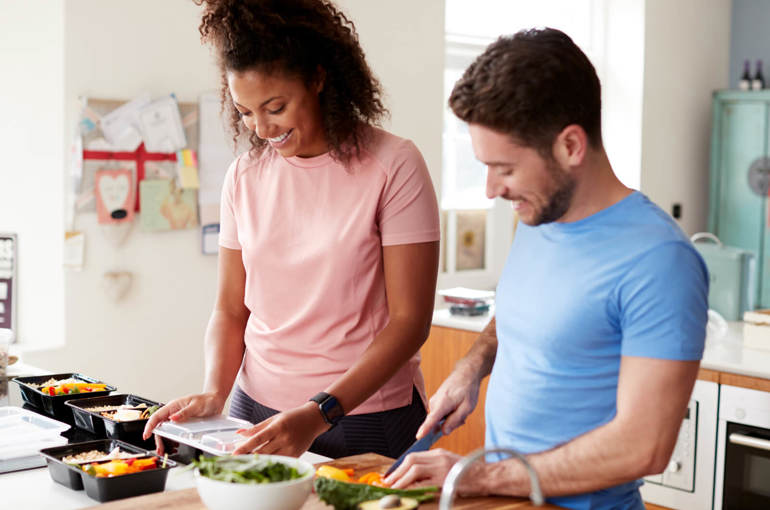
The traditional advice surrounding meal preparation often sounds like a punishment: spend six hours of your precious Sunday afternoon standing over a stove, portioning identical mounds of dry chicken breast, steamed broccoli, and brown rice into five matching plastic containers. By Wednesday, the chicken has turned rubbery, the broccoli is sulfurous and waterlogged, and the sheer monotony drives you straight to the nearest takeout app. That is not an efficient lifestyle system; it is palate fatigue disguised as discipline.
Busy professionals do not need to turn their weekends into an unpaid commercial kitchen shift to eat well during the workweek. The secret to sustainable batch cooking lies in adopting the mindset of a restaurant chef. Commercial kitchens do not fully cook, assemble, and plate thirty covers five days in advance. Instead, they master component prep—fabricating versatile building blocks, orchestrating equipment to cook multiple items in parallel, and finishing dishes with fresh accents in under ten minutes. By shifting from assembled meals to modular ingredients, you slash your active cooking time while dramatically upgrading the flavor and texture of your weeknight dinners.
The Modular Philosophy: Prep Ingredients, Not Assembled Meals
Fully assembled meals degrade quickly in the refrigerator. Moisture migrates from wet sauces into crisp vegetables, starches absorb cooking juices until they turn to mush, and delicate aromatics oxidize into a dull, flat flavor profile.
The modular prep strategy solves this by keeping foundational components separate until the moment of consumption. Instead of cooking five portions of a single recipe, your batch session produces a strategic matrix of four core elements:
-
Versatile base proteins: Meats, legumes, or tofu seasoned with neutral profiles (salt, black pepper, garlic, and light citrus) that can easily swing toward Mediterranean, Latin, or East Asian flavor profiles later in the week.
-
Sturdy complex starches: Grains that hold their structural integrity under refrigeration, such as farro, quinoa, brown jasmine rice, or roasted sweet potato wedges.
-
Pre-roasted or blanched vegetables: Produce with low water content—cauliflower florets, Brussels sprouts, carrots, and bell peppers—that can withstand reheating without collapsing into liquid.
-
High-impact finishing sauces: Emulsified dressings, pestos, or chili oils that bring acidity, fat, and brightness to otherwise simple staples.
When your refrigerator contains these individual building blocks, dinner is no longer a monotonous chore. One evening, your shredded pork shoulder and roasted sweet potatoes become tacos topped with cilantro and pickled red onions. The next evening, that same pork tops a bowl of warm farro alongside wilted spinach and a spoonful of spicy peanut sauce. You spend five minutes assembling dinner, and each meal feels distinct.
Equipment Orchestration: Running Parallel Kitchen Lanes
The biggest mistake working professionals make during weekend cooking is working linearly—finishing one recipe completely before starting the next. A sixty-minute prep session should look like a well-choreographed dance where passive equipment does the heavy lifting while you perform minimal knife work.
Maximizing Oven Real Estate with High-Heat Sheet Pans
Your oven is the most efficient multi-tasking appliance in your home. A single standard oven can accommodate two commercial half-sheet pans side-by-side or across two racks, allowing you to roast six to eight pounds of food simultaneously without standing over a burner.
Set your oven to 425 degrees Fahrenheit. High heat promotes the Maillard reaction, developing caramelized edges and deep flavor while keeping the interior of vegetables tender-crisp rather than soggy. Group ingredients by density:
-
Reserve one sheet pan for hard root vegetables and brassicas tossed in olive oil and coarse sea salt.
-
Use the second sheet pan for seasoned chicken thighs, salmon fillets, or firm tofu cubes.
Because chicken thighs cook in roughly twenty-five minutes while roasted carrots might take thirty-five, staggering your pan placement allows you to clear the oven in waves without resetting temperatures.
Passive Cooking via Pressure and Slow Simmer Vessels
While the oven handles dry roasting, an electric pressure cooker or slow cooker should tackle moist heat applications on your countertop. Tougher, economical cuts of meat—such as chuck roast, pork butt, or bone-in chicken thighs—contain rich connective tissue that transforms into tender gelatin under pressure.
Load your pressure cooker with seasoned meat, a splash of stock, and aromatics like smashed garlic cloves or ginger coins. Lock the lid, set the timer for forty-five minutes, and walk away. While the appliance operates autonomously, you have zero pans to monitor and zero grease splatters to wipe down. By the time your sheet pans come out of the oven, your braised protein is falling apart and ready to shred.
The Sauce Matrix: Eliminating Palate Fatigue
The primary reason professionals abandon batch cooking is boredom. Eating the same flavor profile four days in a row feels restrictive. The most time-effective way to solve this is to keep your proteins and grains intentionally neutral, reserving bold seasonings for two or three distinct sauces.
A great sauce takes less than five minutes to blitz in a small blender or whisk in a bowl, yet it completely dictates the character of a meal. Commit to preparing two complementary sauces each week:
-
An acid-forward herb sauce: Chimichurri, salsa verde, or a bright lemon-shallot vinaigrette. The sharp acid cuts through rich roasted meats and revitalizes chilled grains.
-
A rich, creamy emulsion: Tahini-garlic dressing, spicy peanut sauce, or a roasted jalapeño-lime crema. These provide richness and mouthfeel without requiring heavy dairy that spoils quickly.
Store these dressings in small glass jars. Because they contain concentrated fats, vinegars, and salts, they remain vibrant throughout the entire workweek. Rotating your sauces allows you to serve the exact same base protein three times in five days without feeling like you are eating leftovers.
Thermal Management and Food Preservation Science
How you handle food immediately after cooking determines whether it retains its quality or turns into a spoiled, waterlogged disappointment by midweek.
The most common error is packing piping hot food directly into airtight storage containers. When hot food is sealed immediately, escaping steam condenses on the underside of the lid and rains back down onto the ingredients. This trapped water dilutes your seasonings, degrades vegetable cell walls, and accelerates bacterial growth by trapping heat inside the container.
Practice rapid cooling on open sheet pans. Spread roasted vegetables, grains, and meats across wide, shallow trays at room temperature for fifteen to twenty minutes before transferring them to storage. This allows excess moisture to evaporate into the air rather than condensing inside your containers.
When choosing containers, invest in uniform glass vessels with snap-locking lids. Glass does not absorb lingering aromas, will not warp or leach chemicals under heat, and conducts cold temperatures more evenly in the refrigerator than plastic. Furthermore, having uniform containers means you never waste ten minutes hunting for matching lids in a cluttered cabinet.
Freezer Arbitrage: The Two-for-Now, Two-for-Later Rule
A sustainable batch cooking habit should pay dividends weeks into the future, not just over the next four days. If you make a large batch of chili, lentil stew, or bolognese sauce, forcing yourself to eat every portion before Friday creates culinary burnout.
Adopt the two-for-now, two-for-later protocol. Whenever you prepare a dish that freezes gracefully, immediately portion half of it into airtight freezer-safe bags or shallow containers before serving the first plate. Flatten freezer bags on a baking sheet so they freeze into thin, stackable bricks.
Within three or four weeks of applying this rule, your freezer becomes a private inventory of home-cooked convenience food. On a chaotic Thursday night when a late meeting derails your schedule, you do not need to cook from scratch or spend forty dollars on delivery. A thin-frozen brick of homemade red curry thaws in a bowl of warm water in ten minutes, ready to be heated and served over freshly steamed rice.
The Five-Minute Weeknight Finish
The final transition from meal prep to dinner plate should never involve setting a plastic container in the microwave for three minutes on high. Microwaving pre-cooked food unevenly boils proteins from the inside out, squeezing out moisture and leaving meats unpleasantly dry.
Instead, assemble your meal using a fast, high-heat stovetop flash or an air fryer reheat. Toss your pre-cooked grains and roasted vegetables into a smoking-hot skillet with a teaspoon of olive oil or butter for ninety seconds. The pan restores crispness to the edges of the vegetables and toasts the grains, waking up dormant flavors that chilled storage dampened.
Finally, introduce fresh contrast. What separates cafeteria food from restaurant cooking is the presence of raw, crunchy, and bright elements added right before the plate hits the table. Keep a small supply of zero-effort garnishes on hand:
-
A handful of fresh baby arugula or tender cilantro leaves
-
A squeeze of fresh lemon or lime juice
-
Toasted pumpkin seeds, sliced almonds, or sesame seeds
-
Crumbled goat cheese, cotija, or shaved parmesan
These fresh additions trick the senses. The warmth and depth come from your efficient weekend batch prep, but the crisp textures, bright acid, and vibrant colors convince your palate that the entire meal was cooked from scratch minutes before you sat down.
Batch cooking does not require abandoning culinary joy or sacrificing your entire weekend to the kitchen. By trading rigid full-meal recipes for flexible, well-seasoned components, you reclaim your free time, eliminate weeknight decision fatigue, and build an effortless, sustainable rhythm of eating exceptionally well every single day.
