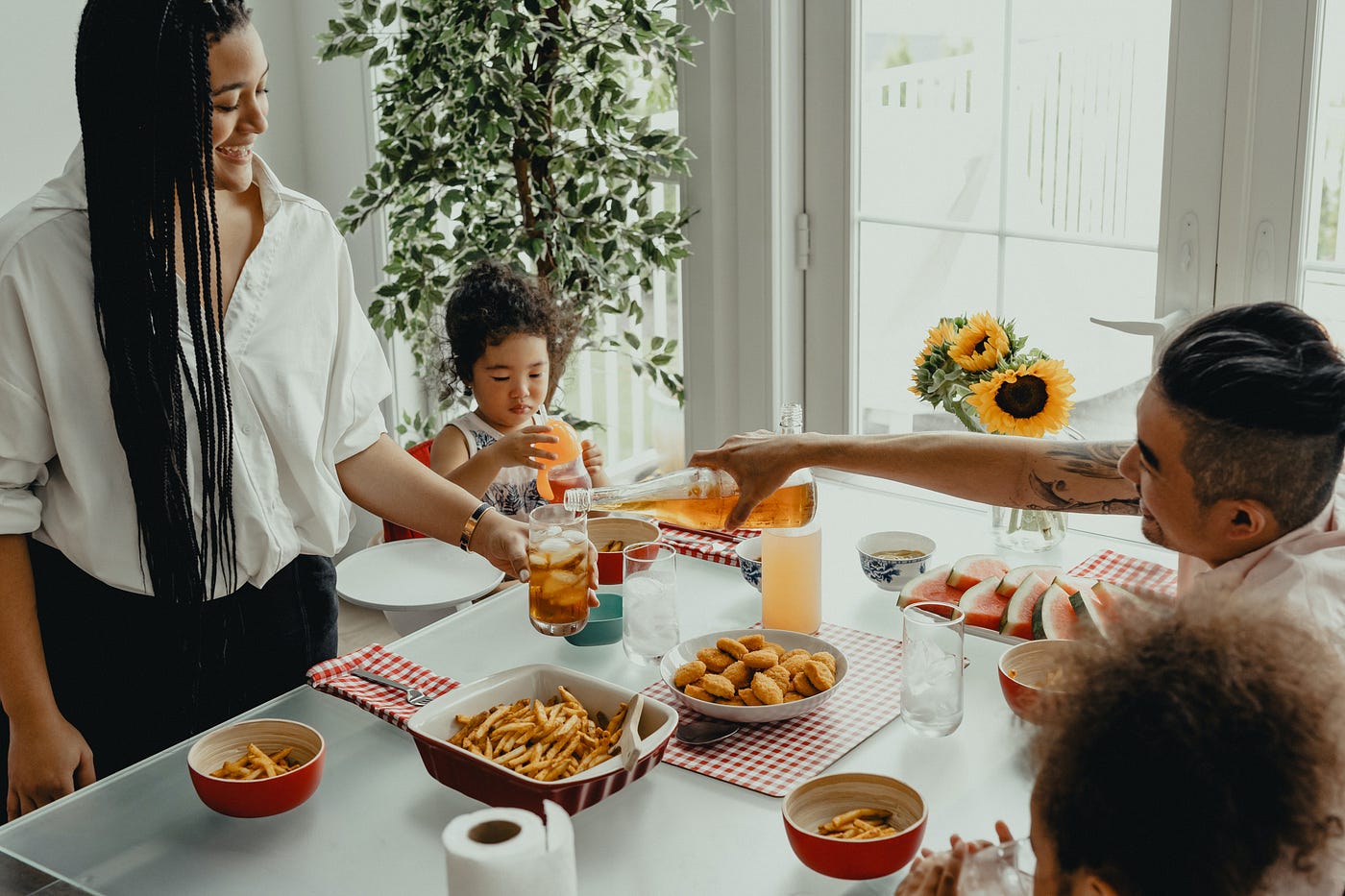
Food is far more than nourishment. It is emotion, memory, and identity served on a plate. A single bite can transport us across decades, reviving moments we thought were long forgotten. From the smell of freshly baked bread to the taste of a childhood favorite, food has an unmatched ability to reconnect us with our past.
Why Food Is So Deeply Tied to Memory
The connection between food and memory is rooted in biology. Taste and smell are processed in areas of the brain closely linked to emotion and long-term memory. This is why food memories often feel vivid, emotional, and deeply personal.
Unlike visual memories, which may fade, food-related memories tend to remain emotionally intense, even after many years.
The Role of Smell and Taste
Smell is especially powerful. A familiar aroma can instantly trigger memories without conscious effort. Taste works alongside smell, reinforcing emotional recall and creating a sensory snapshot of a specific time or place.
Together, they form a shortcut to memory that logic alone cannot access.
Comfort Food and Emotional Safety
Comfort foods are often tied to feelings of security and care. They are rarely chosen for nutritional value alone but for the emotional reassurance they provide.
Common examples include:
- Meals cooked by parents or grandparents
- Foods eaten during illness or recovery
- Simple dishes associated with home and routine
These foods act as emotional anchors, offering stability during times of stress or change.
Food as a Carrier of Family History
Recipes are often passed down through generations, becoming edible heirlooms. Each preparation carries stories, traditions, and shared experiences that go beyond ingredients.
A family dish can represent:
- Cultural heritage
- Family values
- Shared celebrations and hardships
Cooking and eating these foods keeps family memories alive, even when the people who introduced them are no longer present.
Cultural Identity on the Plate
Food plays a central role in shaping cultural identity. Traditional dishes connect individuals to their roots, especially for those living far from their homeland.
Preparing or eating familiar foods can:
- Reduce feelings of displacement
- Strengthen a sense of belonging
- Preserve cultural memory across generations
In this way, food becomes a bridge between past and present, personal history and collective identity.
Celebrations, Rituals, and Shared Meals
Many of life’s milestones are marked by food. Birthdays, holidays, weddings, and even moments of grief are often centered around shared meals.
These experiences reinforce emotional connections because:
- Food is consumed during heightened emotional states
- Memories are formed in social settings
- Repetition strengthens recall over time
A holiday dish, eaten once a year, can hold more emotional weight than a daily meal.
Food, Memory, and Healing
Food memories can also play a role in healing. Recreating meaningful dishes can offer comfort during grief, reconnect people with happier times, and provide a sense of continuity.
For some, cooking becomes a form of emotional expression—an unspoken way to remember, honor, and cope.
Why Certain Food Memories Never Fade
Not all meals become memories, but emotionally charged ones often do. The strongest food memories usually involve:
- Strong emotions (joy, comfort, loss)
- Social connection
- Sensory richness
- Repetition over time
These elements work together to imprint food experiences deeply into the mind.
Frequently Asked Questions (FAQs)
Why do food memories feel more emotional than other memories?
Food memories involve taste and smell, which are directly linked to emotional centers of the brain, making them feel more intense and vivid.
Can food trigger memories we didn’t realize we still had?
Yes, familiar flavors or aromas can unlock subconscious memories without deliberate recall.
Why do people crave childhood foods during stressful times?
Stress often increases the desire for emotional comfort, and childhood foods are strongly associated with safety and care.
Do food memories change over time?
The emotional response may evolve, but the core memory often remains stable, especially if it’s tied to strong feelings.
Can creating new food traditions help build emotional connections?
Absolutely. New traditions create shared experiences that can become meaningful memories over time.
Why does food help people feel connected to their culture?
Traditional foods preserve cultural practices, flavors, and rituals, reinforcing identity and belonging.
Is it possible to intentionally create meaningful food memories?
Yes. Shared meals, emotional presence, and repetition can help turn ordinary meals into lasting memories.
